Add Row
Add Element
cropper
update
Realty News Journal
update
Add Element
  • Home
  • Categories
    • Real Estate News
    • Real Estate Agents
    • Technology
    • Marketing
    • Real Estate Associations
    • Mortgage
    • Luxury
September 07.2025
3 Minutes Read

Shocking Jobs Report: How It Fuels Falling Mortgage Rates in Real Estate

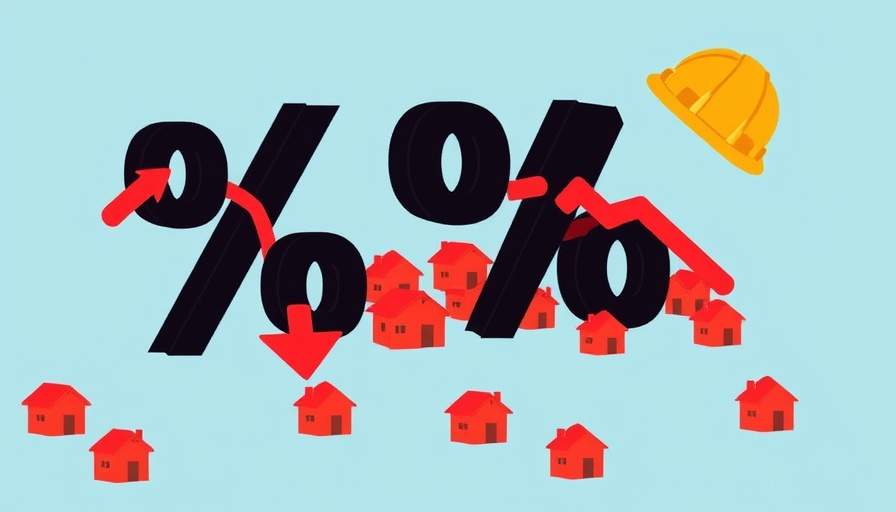
Illustration of mortgage rates falling with houses and helmet on blue background

The Unexpected Job Market Shift

In a surprising turn of events, the latest jobs report revealed major changes within the labor market, sending ripples through the mortgage sector. With the Federal Reserve's predictions of a solid labor market now under question, mortgage rates are on the decline, hitting new yearly lows. The juxtaposition of the Fed's prior confidence against the stark realities presented in the August jobs report has left industry experts pondering the implications for real estate professionals.

Understanding the Jobs Report

According to the U.S. Bureau of Labor Statistics, total nonfarm payroll employment showed little change in August, with a modest gain of only 22,000 jobs, suggesting stagnation since April. Furthermore, the unemployment rate has also stabilized at 4.3%, indicating potential weaknesses in essential sectors such as manufacturing and residential construction. Such data is crucial for real estate agents who need to gauge market conditions accurately in order to guide clients effectively.

Interpreting the Fed's Reaction

The Federal Reserve's longstanding assumption that restrictions would hold until significant labor market weakness was witnessed has proven flawed. In light of recent job losses in critical areas, there's a growing sentiment that the Fed needs to revisit its stance and options. Real estate agents should be aware of how changes in Fed policy could subsequently affect mortgage rates, ultimately influencing buyer behavior in a shifting housing market.

Labor Market Insights and Real Estate Impact

While statistics show overall job losses, the subtle shifts in labor force growth present a more complicated picture. For real estate professionals, understanding this complexity is vital—not only to assist buyers but also for strategizing their marketing and sales approaches in a dynamic environment. As residential construction faces a slowdown, it implies potential delays or reductions in inventory, which could significantly impact homebuyers and their decisions.

Key Concerns for Real Estate Agents

Two sectors worthy of note in the latest labor reports are manufacturing and construction. Any extended decline in these industries could lead to broader economic implications. Real estate agents have a stake in these dynamics as construction delays can lead to lower inventory availability, influencing the immediate market landscape, ultimately affecting sales and commissions. Awareness of these trends allows agents to better prepare for their clients' needs.

Looking Ahead: The Landscape of Mortgage Rates

As mortgage rates hit new yearly lows, potential buyers have a very attractive opportunity to enter the market. Real estate agents should leverage this moment by being proactive in their outreach and marketing, potentially increasing listings to meet heightened interest. Advising buyers about favorable lending opportunities can empower them to make informed decisions, fostering stronger client relationships.

As we continue to interpret these economic signals, real estate agents must remain agile in adapting to fluctuations in the labor market. The insights gleaned from current job statistics not only impact mortgage rates but also shape overall market strategies. Ensuring you stay informed will be crucial as the situation evolves, ultimately enabling you to retain a competitive edge in your market.

Mortgage

19 Views

0 Comments

Write A Comment

*
*
Please complete the captcha to submit your comment.
Related Posts All Posts
04.17.2026

Lower Mortgage Rates Creating New Opportunities for Homebuyers in 2026

Update Signs of a Revived Housing Market in Early 2026 As we step into 2026, a notable shift is unfolding in the housing market, catalyzed primarily by lower mortgage rates. Recent reports indicate robust growth in housing demand, underscored by significant gains in pending home sales and purchase applications — boosting confidence among real estate agents and potential homeowners alike. The Impact of Mortgage Rates on Housing Demand With mortgage rates hovering around 6%, many analysts anticipate this environment could fuel a sustained demand for housing. Notably, both week-over-week and year-over-year metrics indicate a solid increase — with purchase applications showing a 5% rise from the previous week and an impressive 18% from the same time last year. This trend mirrors historical patterns where demand strengthens as rates approach the 6% mark, suggesting that 2026 may be a watershed year for the housing sector. Such data is essential for real estate agents to gauge market responsiveness and prepare for increasing buyer interests. Inventory Trends and Market Stability The current housing inventory is also exhibiting positive signs. Following recent trends, there has been a week-over-week increase in properties available, which offers buyers a more varied selection. Agents should capitalize on this uptick by highlighting the renewed availability of homes to entice potential buyers. The reported weekly pending sales reached 56,252 — a high not seen in years, indicating a robust commitment from buyers despite the challenging landscape of rising home prices. With new listings also increasing, agents have a strong inventory in which to work, helping meet the demands of many eager buyers. Understanding Mortgage Spreads One key factor contributing to this market stabilization is the improvement in mortgage spreads. Compared to this time last year, where similar bond market conditions would have spiked rates to between 6.30% and 6.40%, current adjustments have allowed rates to stay manageable. The latest spreads have closed at 1.82%, indicating healthier market dynamics that bode well for affordability and ultimately for closing transactions. Future Predictions for the Housing Market Industry experts foresee fluctuating mortgage rates will likely persist in the upcoming months, pending global economic events and domestic factors such as the upcoming Federal Reserve meeting. While 2026 is expected to bring rates higher than the lows seen in the prior two years, the forecast remains optimistic, anticipating some stability in the market that could lead to increased buying activity. However, it's essential to note that housing affordability continues to pose challenges. Many potential buyers, particularly younger demographics, may still struggle due to ongoing financial pressure. Real estate professionals should focus on educating these clients about potential buying strategies and financial planning to navigate this landscape successfully. Strategies for Real Estate Agents in 2026 With this evolving market landscape, real estate agents hold a critical role in guiding buyers through a recovering yet volatile market. By fostering strong relationships, leveraging data insights, and advocating for flexible financing options, agents can better assist clients in making informed decisions. Agents should also remain informed about local and regional differences, which can significantly affect buyer behavior and market responsiveness. As we watch for upcoming trends, those who stay proactive in their approach will likely find success in guiding their clients through the complexities of the 2026 housing market. Are you ready to capitalize on the renewed housing demand in early 2026? Connect with fellow agents and explore new strategies to reach more buyers effectively.

04.15.2026

Senior Home Equity Soars to $14.7 Trillion: What This Means for Real Estate Agents

Update Unprecedented Growth: Senior Home Equity Hits $14.7 Trillion In a remarkable financial landscape, senior homeowners in the U.S. have reached a record high in housing equity, with wealth soaring to an astonishing $14.66 trillion in Q3 2025, representing a 1.9% increase from the previous quarter. This historic surge is primarily attributed to robust rising home values, showcasing the ability of older homeowners to accumulate substantial financial resources that can bolster their retirement strategies. Housing Market Dynamics: What Contributed to This Gain? Driving this increase are escalating home values, which contributed approximately $295.4 billion to senior housing equity during the quarter. While this growth is significant, it is noteworthy that it has been slightly tempered by a 1% increase in mortgage debt, which amounted to roughly $22.8 billion. This nuanced view demonstrates the potential for seniors to harness their home equity, particularly in light of current economic pressures such as inflation that affect retirees' financial stability. The Importance of Home Equity in Retirement Planning This remarkable equity growth raises an important question for real estate professionals: how can this resource be effectively utilized? Home equity remains a largely underleveraged asset for many older Americans, especially as they face rising costs in areas like healthcare and groceries. According to NRMLA President Steve Irwin, leveraging home equity through mechanisms like reverse mortgages can enable seniors to mitigate the financial pressures of daily expenses. “Incorporating home equity responsibly into broader financial strategies helps older Americans gain greater peace of mind regarding their long-term financial security,” he noted. Implications for Real Estate Agents For real estate agents, this emerging trend underscores a pivotal opportunity. As the population of older homeowners continues to grow, there will be an increasing demand for knowledgeable professionals who can guide seniors on using their home wealth effectively. Whether helping clients understand the potential of reverse mortgages or educating them about the implications of their growing equity, agents can play a crucial role in optimizing financial outcomes for seniors. Looking Ahead: Future Trends in Senior Home Equity With the Reverse Mortgage Market Index (RMMI) now tracking these trends, the prospect is bright for senior homeowners. The index not only highlights this historical data but helps anticipate future demand for reverse mortgages, a financial product that enables older homeowners to borrow against their home equity without monthly repayment requirements. As market conditions evolve, understanding these dynamics will be critical for both agents and their clients. Final Insights: Utilizing Home Equity Effectively As inflationary pressures persist and financial wellness becomes a top concern for retirees, real estate professionals must equip their clients with actionable insights on how to manage their home equity. From determining the viability of a reverse mortgage to advising on home sales, the opportunities are vast. Empowering seniors with knowledge will not only aid in financial stability but can also enhance the agent-client relationship, fostering long-term trust and reliance on professional expertise. For agents, now is the time to delve into these evolving dynamics of senior home equity and position themselves strategically to meet the needs of an important and growing demographic.

04.15.2026

Why Real Estate Agents Should Rethink the 'Silver Tsunami' Inventory Surge Expectation

Update Understanding the ‘Silver Tsunami’ Expectation The term ‘silver tsunami’ has been frequently used by real estate analysts to suggest a significant influx of homes into the market as the aging Baby Boomer generation downsizes or passes on their properties. However, recent data presents a more complicated reality. Inherited homes now account for a record 7% of U.S. property transfers, with about 340,000 properties changing hands through inheritance in the past year alone. This trend of inherited homes dominating the market illustrates a shift in how housing supply reaches potential buyers. California's Inheritance Tax Incentives One major factor influencing this trend is tax incentives in states like California. Here, property tax increases are capped, and children can inherit substantial tax benefits. This has encouraged many heirs to retain inherited properties rather than sell them, effectively locking these homes out of the market. Nearly 60,000 homes were inherited in California in 2025, highlighting how state policies could further complicate the supposed wave of listings that many expected from the aging Baby Boomers. The Attitude of Baby Boomers Toward Homeownership In addition to tax incentives, the behavior of Baby Boomers plays a crucial role in housing inventory challenges. Boomers are less likely to move or downsize compared to previous generations. According to research, those born in 1948 own 50% more homes by age 65 than their counterparts born a decade earlier. This trend of ‘aging in place’ means that many properties remain off the market, dampening the anticipated surge of homes for sale. The Broader Housing Affordability Crisis While inheritances may provide financial relief for some families dealing with the current high housing costs, they alone are not a solution for the broader affordability crisis affecting many markets. Analysts caution against the assumption that demographic changes will resolve issues surrounding housing scarcity. The need for new construction remains critical, and reliance on inheritance as a significant component of housing supply could leave many buyers wanting. The Disconnect Between Generations A significant concern lies in the perceived value of inherited homes. For many younger adults, the homes being passed down do not align with their lifestyles or financial means. A substantial portion of older homes may not suit the needs or preferences of Millennials and Gen Z, who place value on flexibility and proximity to urban amenities rather than just square footage. This generational disconnect raises questions about the efficacy of the ‘Great Wealth Transfer’ narrative. Insights for Real Estate Agents For real estate agents, this evolving landscape presents new challenges and opportunities. Understanding the implications of inheritance and how it reshapes the market is vital in developing effective strategies for clients. As inventory remains tight, agents should focus on engaging with the possibilities that inherited homes may bring, especially in regions with favorable tax policies that encourage retention rather than immediate sale. The predicted ‘silver tsunami’ may prove to be a gentle wave rather than a dramatic surge. For real estate professionals, adapting to these shifting dynamics will be essential to navigating the complexities of the current housing market. As properties become more tied to familial obligations and emotional histories, the approach to selling and buying will require sensitivity and strategic foresight.

Terms of Service

Privacy Policy

Core Modal Title

Sorry, no results found

You Might Find These Articles Interesting

T
Please Check Your Email
We Will Be Following Up Shortly
*
*
*